Word
The Board of Honour
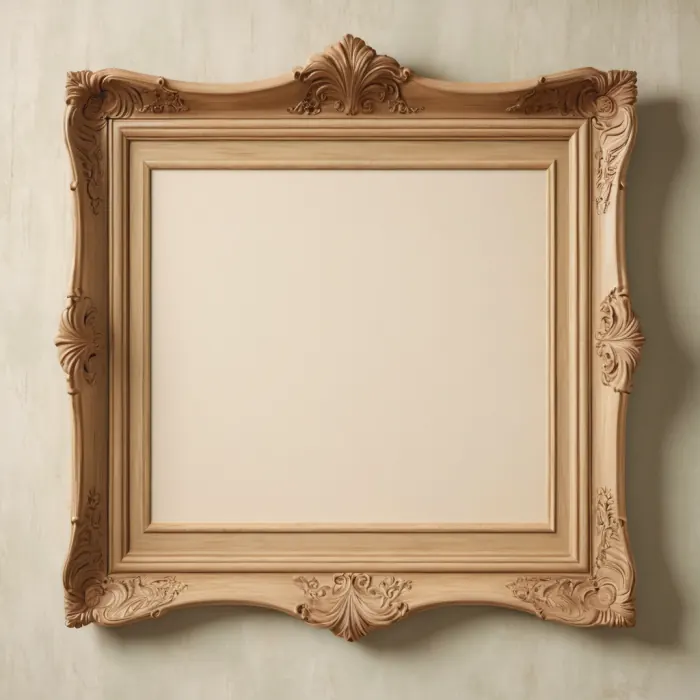
The Board of Honour was a panel that displayed photographs of the best workers. A modest slab of plywood or glass by the entrance — yet how much quiet dignity it held. Not a trophy, not a loud award, but a calm statement: here are the people we're proud of.
What the Board of Honour was
Picture a glass-fronted panel somewhere in a factory gatehouse, in an office corridor, or by the cafeteria door. On it, in even rows, portraits of people, each neatly captioned with a name and a job title. That was the Board of Honour: the place where a workplace said thank you to those who worked better than the rest.
It was done without noise or fanfare. No one rushed onto a stage or gave long speeches. One day a person would simply walk past and see their own face there, a little shy in the stiff official photo. And that was enough. The board didn't shout — it quietly bore witness that the work had been noticed.
The photographs for it were taken specially, and that alone was an occasion. A person would put on their best shirt, smooth down their hair, and sit before the lens with that particular expression people wear when they're trying to look worthy. The portraits came out a touch solemn, a touch stiff, and all the more touching for it.
Quiet fame instead of loud
The chief charm of the Board of Honour lay in its quietness. This wasn't fame for fame's sake, not a chase after likes and applause. It was more a calm acknowledgement: you do your work well, and that matters. Such fame didn't go to your head — it warmed your heart.
Making it onto the board was doubly pleasant precisely because not everyone set out to be there. No one elbowed their way up. More often a person simply worked honestly, year after year, and then their portrait quietly appeared among the others. The reward found them on its own, and was valued all the more for it.
There was a particular tact in this. The board didn't pit people against one another, didn't split them into winners and losers. It simply showed examples — see, this can be done, this is worth striving for. And whoever stood beside it didn't feel envy but rather thought: you know, I could manage that too.
How people made it onto the board
The road to the Board of Honour was long and steady, like a good highway. You didn't get there with one bright burst. What counted was not a one-off feat but consistency: a person arrived on time, did the work carefully, never let their workmates down, never fussed for no reason. Year after year a reputation took shape, and at some point it tipped the scales.
Decisions were usually made together. People discussed who had stood out that month or year, ran through the names, recalled who had helped with what. And that discussion held its own meaning, too: people noticed the good in one another a little more, said aloud what usually goes unremarked.
Tellingly, the fidgety and the loud rarely made the board. Big promises and a bustling show of work soon ran out of steam. The calm, the dependable, those who got things done without extra words — they ended up there more often. The Board of Honour quietly taught a lesson: value not the sparkle but the solidity.
A small ritual of great respect
The very appearance of a new portrait on the board was a tiny celebration. No one announced it over the loudspeaker, but the news spread on its own. Neighbours from the workshop would come over, take a look, and tease good-naturedly: well now, you're a celebrity. The person would wave it off, blush, but deep down was pleased.
At home such news was shared with pride, though modestly. They've put my photo up by the entrance. Children went to look at their parent in the glass frame and reported importantly to their friends that that portrait over there was their mum or dad. For a child it was real proof that someone they loved was a hero.
Sometimes the photo was later taken home from the board and kept in an album. The picture was stiff and official, but the memory was warm. Years on, turning the pages, a person would smile: that's who I was when they singled me out for good work.
The psychology of recognition
Scientists noticed long ago a simple thing: people need their work to be seen. Money matters, but money alone isn't enough. A person wants to know that their effort hasn't dissolved into nothing, that someone noticed, valued it, said thank you. The Board of Honour was exactly that thank-you, cast in glass and plywood.
And it worked more subtly than it seems. Recognition that was public yet not humiliating raised a person in their own eyes without making them arrogant. It struck a golden mean: visible enough to gladden, modest enough not to turn the head.
Today this would be called non-material motivation, with programmes and points systems dreamed up around it. Back then a pane of glass and an even row of photographs was enough. And it worked — because behind it stood real, living respect, not a formula from a manual.
What the Board of Honour teaches today
In our time, recognition has become loud and fast. We've grown used to instant reactions, to the numbers beneath our posts, to noisy praise that's forgotten just as quickly. Against that backdrop the old Board of Honour looks almost meditative: calm, unhurried, genuine.
Its lesson is simple. We should praise one another more often, but sincerely and without fuss. Notice not only the bright flashes but the quiet dependability of those who simply do their work well every day. Sometimes one kind word said at the right moment is worth a hundred hasty approvals.
And one more thing: you don't have to chase loud fame to feel needed. Sometimes quiet recognition from those nearby is plenty. Calm pride in honest work warms longer than noisy ovations.
The Board of Honour at the No Rush Factory
At our factory a Board of Honour would fit right in. After all, no one here is rewarded for a frantic pace and jerky movements — quite the opposite, haste only gets in the way and throws off your rhythm. What's truly valued is calm, even, attentive work.
Imagine a panel by the factory cafeteria, hung with portraits of the most unflappable workers. Not those who darted about and fussed, but those who kept their composure through even the busiest shift. And beside them, of course, there'd be room for the standout little creatures with their especially wise squints.
And in the place of honour — the mascot Cheremsha, the rabbit-lion, as the model of the factory's chief virtue: doing the work without bustle, with a warm smile and unhurried dignity. For a true Board of Honour celebrates not speed but calm faithfulness to one's work. And in that, it's wonderfully in tune with the whole spirit of our factory.