Word
The Workshop (Tseh)
A tseh is a big echoing space where, out of iron, wood, and patience, the things we need are born. A whole world with its own smell, rhythm, and soft-spoken heroes at the machines.
The Big Room Where Work Lives
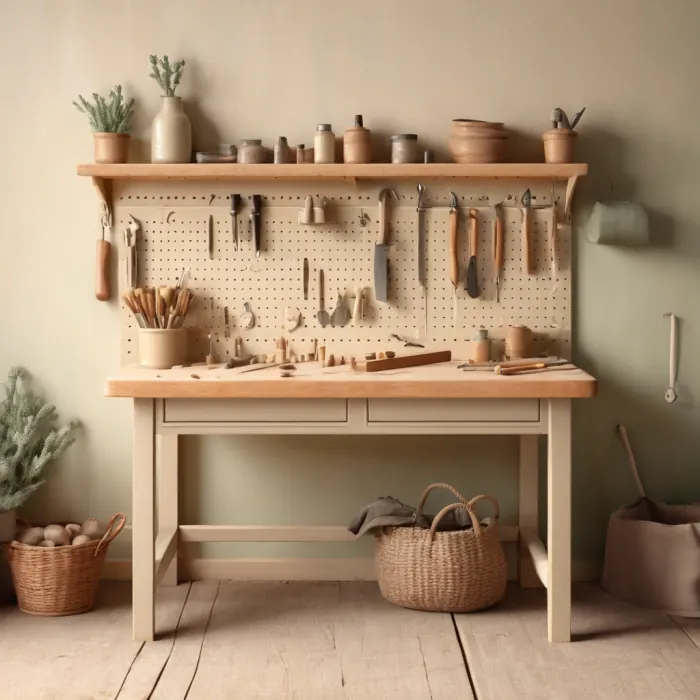
Back in the day there was a particular kind of space, and the moment you crossed its threshold you understood at once: this isn't a place to rest, this is a place to get things done. The tseh, the workshop. Spacious, high-ceilinged, with big windows right up under the roof through which a dusty column of light came pouring down. Step inside and a hum embraces you, even and dense, like the breathing of a great, calm beast.
The workshop was a world unto itself. It had its own roads, the aisles between the rows of machines, along which you couldn't just wander any old way. Its own corners, where the blanks were stacked, where the toolbox stood, where someone's work coat hung on a nail. Its own laws: what goes where, whom to ask about what, when you could step away and when you couldn't budge an inch.
The smell of the workshop was like nothing else. A blend of heated metal, machine oil, shavings, and something else hard to pin down, the smell of the work itself. That smell soaked into your clothes, your hands, your memory, and later, years on, it took only catching a trace of it to bring back all at once the hum, the light from under the roof, and the faces of your workmates.
A Hum With an Order of Its Own
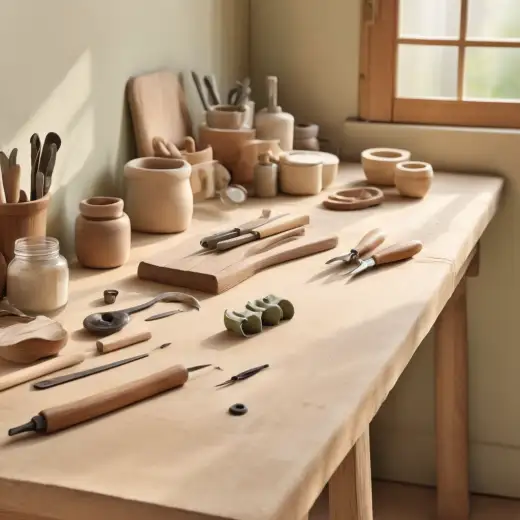
From the outside the workshop's hum seemed like solid noise, but whoever worked within heard music in it. Each machine sang in its own way: one droned evenly, another clicked, a third gave a shriek as it bit into the metal, then fell quiet again. A practiced ear told these voices apart and knew at once whether all was going as it should.
If one of the voices suddenly faltered, began to rattle or rasp out of turn, the master grew wary even before he had time to think. The body itself sensed it: something's off. He'd come over, listen, make an adjustment, and the machine rejoined the common chorus on its proper note.
There was a remarkable calm in that hum. It didn't press down on you; rather, it rocked you, set a rhythm comfortable to work by. People grew so used to it that in complete silence they later felt uneasy. A workshop without its hum is like a home without voices: everything seems in place, yet something essential is missing.

The Crew Is a Second Family
In the workshop people worked not alone but as a crew. And the crew was something more than just a few people at neighboring machines. It was almost a family, with its elders and its youngsters, its jokes, its grudges, its celebrations, and its unspoken watch-each-other's-back.
A newcomer to the crew was sized up at first: what sort of person is he, can he be relied on. Then, if he took root, they slowly began to teach him, not from a manual but hand to hand, showing him how to hold the tool properly, where to look, what to watch out for. This learning was passed on without loud words, mostly by demonstration and short hints under the breath.
And if anyone in the crew was helped out, they were helped out for real. Falling behind, they'd lend a hand; taken ill, they'd cover; slipped up, they'd grumble, but they wouldn't leave you in a bind. That quiet mutual support held the workshop together more firmly than any rules. Machines are machines, but in the workshop the main thing was always the people.

The Break, a Little Celebration Amid the Hum
The sweetest moment of workshop life was the break. The hum died down for a while, the machines went still, and there came that special silence in which, for a few more seconds, the echo of just-stilled work still rang. And then people straightened their backs, wiped their hands on a rag, and pulled bundles of food from tucked-away spots.
They sat wherever they could: on crates, on the bench by the wall, by the window where it was lighter. They unwrapped their paper, shared what each had brought, poured tea from a thermos, and blew on the mug, scalding themselves. And then an unhurried conversation about everything under the sun would begin, about home, the weather, yesterday, the funny thing that happened to the fellow at the next machine.
This short rest was dear precisely for its unhurriedness. No one was chasing you anywhere; you could simply sit, sip your tea, and watch the dust whirl in the column of light. The break taught an important thing: to work well, you have to know how to rest well. Whoever gave himself no breather wore out by evening and started making mistakes.

The Legend of the Workshop Number Seven That Never Was
Every big operation has its tall tales, and about workshops they were told with particular relish. Take, for instance, the cozy fictional world of the factory where the rabbit-lion Cheremsha dwells; to this day they still bring up the famous Workshop Number Seven, the one that supposedly doesn't even exist, yet the legends about it keep going around.
They say that in this nonexistent workshop everything was done without the slightest rush, and so it came out especially well. The machines there, they say, ran so quietly and smoothly that you could doze off to their hum, and the goods came out so perfectly even that there was no need even to inspect them. Finding Workshop Number Seven, naturally, no one ever managed, but dreaming of it wasn't forbidden.
This kindly invention about the perfect workshop is, in truth, about a very understandable wish. Everyone wants a place where the work goes smoothly of its own accord, where no one nags or hurries you, where calm itself is the chief master. Workshop Number Seven became a legend precisely because it gathered all the best of a real workshop and stripped away everything fussy.
The Tool That Knew Its Owner
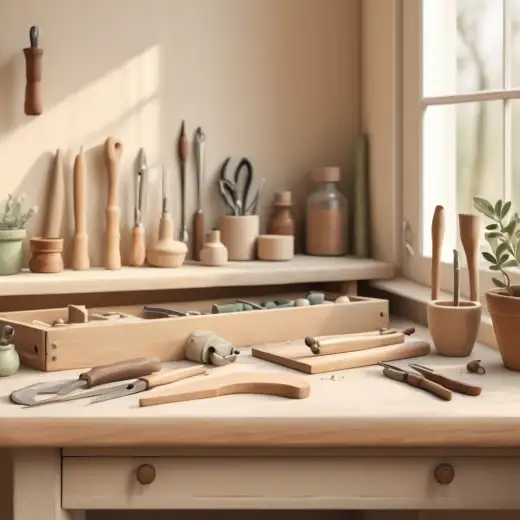
Each worker in the workshop had a tool of their own, and they treated it almost like a living thing. A hammer that had settled comfortably into the palm, a screwdriver with a worn handle, a measuring gadget known only to its owner, all of it was well lived-in, fitted to the hand, and deserving of careful handling.
Another's tool was taken up reluctantly and always returned: touching it without asking wasn't done. But your own, you tended: wiped it after work, put it back in its place, sharpened it when needed. A good tool in skilled hands served for years and seemed to understand of its own accord what was wanted of it, obeying better than it would for a newcomer.
There was something very warm and human in this. A thing you treat with respect answers in kind, serving faithfully and long. The old masters knew this firmly and impressed it on the young: look after your tool, and it won't let you down. The same wisdom, in essence, as for everything else in life.

The Hum That Stayed in Memory
Workshops change; much is done differently now, more quietly, more cleanly, without that thick smell of oil and metal. That's probably for the best. But those who remember a real workshop will, now and then, find themselves longing for its hum, for the column of light from under the roof, for the break on the crates and the shoulder of a workmate beside them.
In memory the workshop remains not as clatter and not as toil, but as something remarkably whole and alive. A place where people did a common task together, helped one another out, and unhurriedly drank their tea in the short breather. A place with a character of its own that you couldn't mistake for anything else.
And if you should happen to hear a steady working hum in the distance, don't be quick to wave it off. Listen. A whole warm world dozes inside it: the crew, the break, the trusty tool, and the quiet wisdom that the best work is done without rushing. Just as in that legendary Workshop Number Seven, which doesn't exist, yet everyone remembers.