Word
The Soda Siphon
The soda siphon was a home water-fizzer: a heavy vessel into which you screwed a tiny canister, and plain water suddenly began to hiss with bubbles. A little celebration you could throw together in the kitchen on any ordinary Wednesday, for no reason at all.
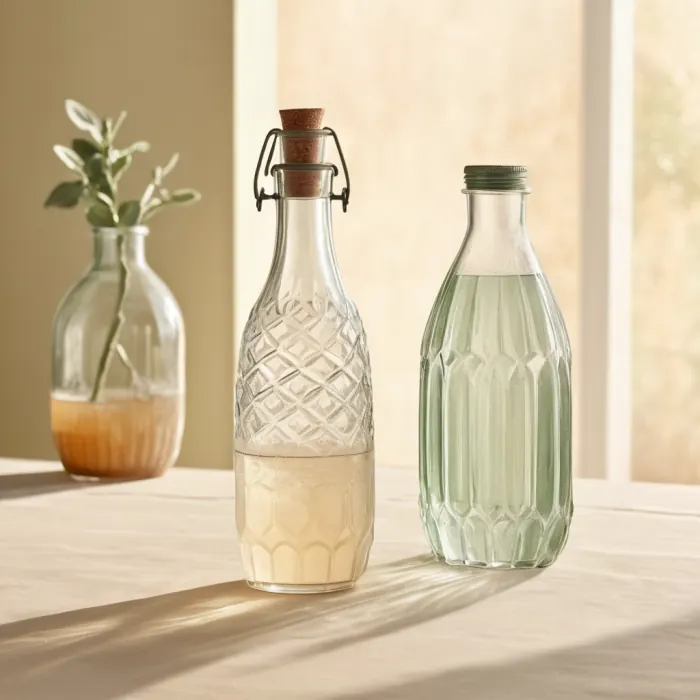
What on earth was this kitchen creature
The siphon looked dignified and a little mysterious, like a piece of lab equipment that had accidentally come to live between the kettle and the bread box. The body was glass or metal, sometimes wrapped in a woven sleeve so it wouldn't slip out of wet hands. On top sat a head with a little lever and a socket where you screwed in a tiny silver canister. That canister was the whole secret: inside was compressed gas, straining to burst free at the first opportunity.
The principle was simple to the point of genius. You poured in cold water, twisted the head shut, slotted in the canister, and heard a short hiss, as if the device were taking a deep breath. Then you tilted it over a glass, pressed the lever, and out shot a stream of fizzy water. Not from a shop, not from a bottle, but your own, homemade, made just now, right before your eyes.
The siphon usually stood somewhere visible. It wasn't the kind of thing you tucked away in a cupboard. People were quietly, domestically proud of it: they didn't show it off, but they didn't hide it either. A guest would wander into the kitchen, notice it, and instantly understand that this was a home where people knew how to make a little coziness out of nothing.
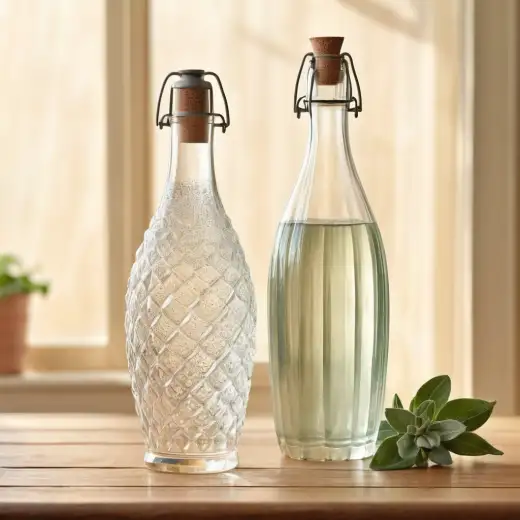
Cold water is half the battle
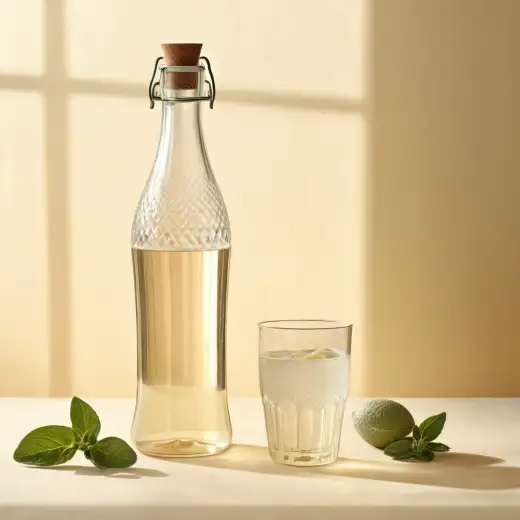
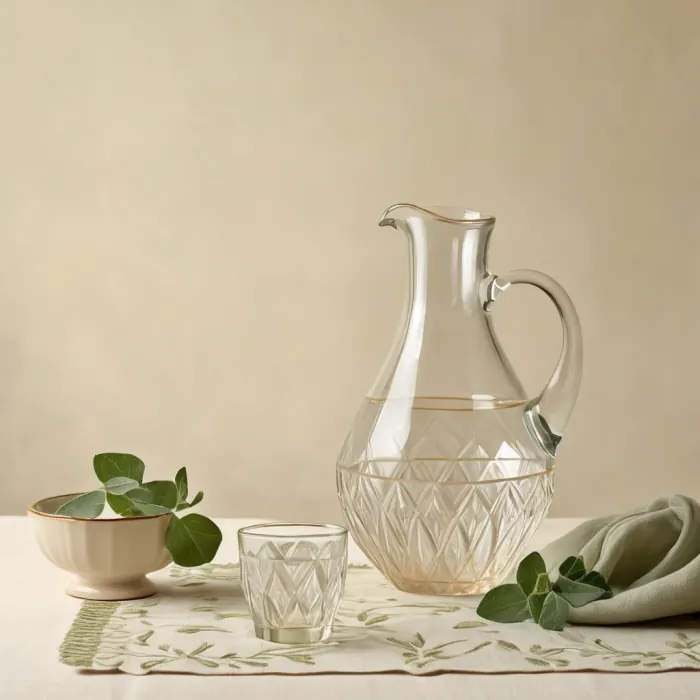
Seasoned households knew the iron rule: the water poured into the siphon had to be ice-cold. In warm water the gas barely holds, the bubbles come out limp, and instead of a cheerful hiss you get a sad gurgle. So a carafe or a bottle of water was set in the fridge ahead of time, or even popped into the freezer for a few minutes, until the water turned properly fierce with cold.
There was a second secret too: don't rush. If you screwed in the canister abruptly and yanked the lever right away, the fizzy water came out as foam, splashed your hand, and ran right past the glass. But if you did everything calmly, waited, let the gas spread evenly through the water, the stream came out thick, fine-bubbled, and beautiful. The siphon seemed to test your character: the fidgety got splashed, the patient got real fizz.
That lesson about calm is very familiar to us, too. At the No Rush Factory the same law applies as over a glass of soda: twitch too early and you'll soak yourself; wait for the right second and it all comes out neat and lovely. The siphon, honestly, was the first unhurriedness trainer in any given kitchen.
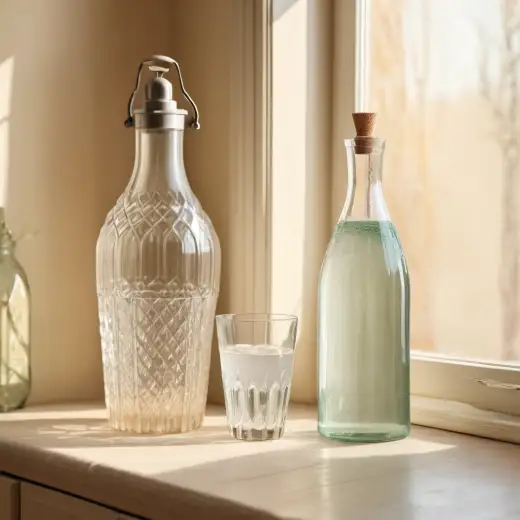
The hiss that everyone heard
The siphon had its own unmistakable voice. First a short, ringing prick: that was the canister being pierced. Then a long hiss under pressure, as if someone had put a finger to their lips and drawn out a long "shhh." And finally the working sound: the springy shot of the stream into the glass, with a light gurgle at the end.
That sound carried through the whole flat and worked as a foolproof signal. Children, hearing the familiar hiss, dropped their game and came running to the kitchen, because it was clear: bubbles were about to happen. No one needed to call them to the table; the siphon called them itself. It was like a little household bell, only instead of a chime it had fizzy water.
Sometimes the siphon startled people, too. It would fire off unexpectedly loud, and the whole family would jump, then laugh. Someone was sure to say the contraption had "gone off again," as if it were alive and had a temper. And it was true: a thing that hisses, gurgles, and splashes inevitably becomes almost a member of the family.
Syrup, or the art of turning water into lemonade
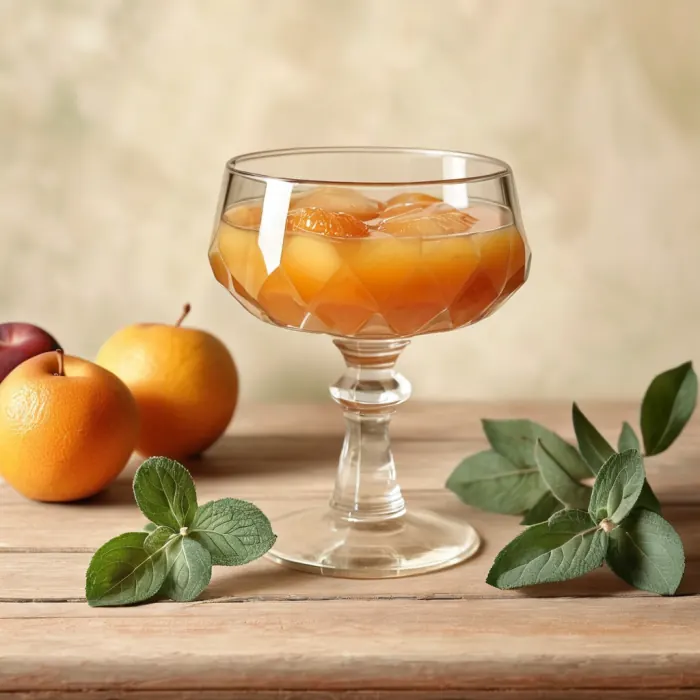
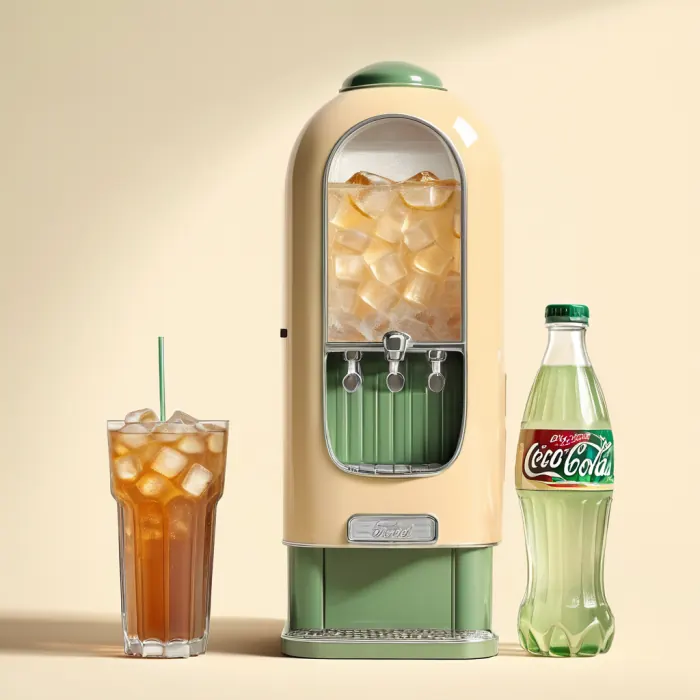
Plain fizzy water was already good, but the real magic began with syrup. Into the glass went a spoonful of thick, gooey syrup, most often fruit or berry, and over it you let the siphon's fizzing stream loose. The water lifted the syrup up in a cloud, everything mixed itself together, and what you held was homemade lemonade you couldn't buy anywhere.
Every family kept its own favorite flavor. In one house they loved sweet-and-sour berry, with a slight tartness. In another they preferred something herbal and fragrant, smelling of meadows and summer. How much syrup to pour was an eternal argument: some liked it sweeter, others made a face and asked for it so "you could still taste the water." That argument was kind and endless, like all the best household arguments.
Children, of course, gravitated toward the sweet and tried to slosh in syrup with abandon. The grown-ups pretended to keep a strict eye on the dose, but sometimes they couldn't resist either. In the end the kitchen produced not just a drink but a small shared undertaking, where everyone added something of their own. And in that, perhaps, lay the whole point.
A little celebration for no reason
The siphon's chief charm was that it didn't wait for a holiday. You needed no birthday, no guests, no special date. Felt like bubbles? You made bubbles. A hot evening, a dull afternoon snack, simply a good mood: any excuse would do, and most often no excuse was needed at all.
Soda from the siphon made the ordinary extraordinary. Here's water, and there's a celebration in a glass. Here's a quiet evening, and there's something pleasant happening. The siphon could turn routine into a small event, and for that it needed only one canister and a couple of minutes of patience. By today's standards it's a remarkably economical way to be happy.
And this chimes very neatly with our game. Cheremsha isn't about grand victories and loud achievements, but about the knack of finding joy in the calm and the everyday. Fizzy water for no reason is exactly that mood: quiet, warm, a touch festive, and not the least bit hurried.
Kitchen tricks and small catastrophes
The siphon was kind, but it demanded respect. Screw the head on crooked and it hissed in the wrong direction, venting gas for nothing. Mix up the order of operations and it could douse half the table in foam. So every household developed its own ritual: water first, then check the seal, then the canister, and only then the lever.
Canisters were hoarded and counted. They ran out at the worst moments, usually right when you wanted fizzy water most. The empties were unscrewed and stashed somewhere: in a drawer, in a special little box, and those silver cartridges would later turn up in the most unexpected places. Children loved them for their weight and shine and secretly carried them off to their treasure hoards.
There were comic scenes, too. Someone who hadn't finished reading the instructions would open the siphon while it was still under pressure, and the kitchen turned into a fountain. Someone trying to save gas would serve half-asleep, barely fizzing water at the table, and earn good-natured reproaches for it. But even these small catastrophes are remembered warmly. The perfect soda is forgotten, while the time the whole wall got drenched is remembered for decades.
Why it's remembered so fondly
The siphon left kitchens quietly, crowded out by ready-made bottles that didn't need charging, chilling, or guarding against foam. Convenient, yes. But along with the fuss, a little wonder departed too: the hiss vanished, the ritual vanished, and so did the feeling that you had made the drink yourself.
Today the siphon is remembered not for the bubbles as such, but for everything around them. For the children racing to the sound, for the syrup arguments, for the cold bottle from the freezer, for that sense of domestic coziness that arose all on its own. It was an object that kept you company, an object that made fun happen, not just a piece of kitchenware.
And that, perhaps, is exactly why it fits so well into the world of an unhurried factory. The siphon taught a simple thing: happiness can be assembled with your own hands out of water, patience, and a pinch of syrup. No need to hurry, no need for a big occasion. Cold water, a calm motion, and a quiet hiss are enough, and an ordinary day suddenly becomes a little bit festive.