Word
Compote
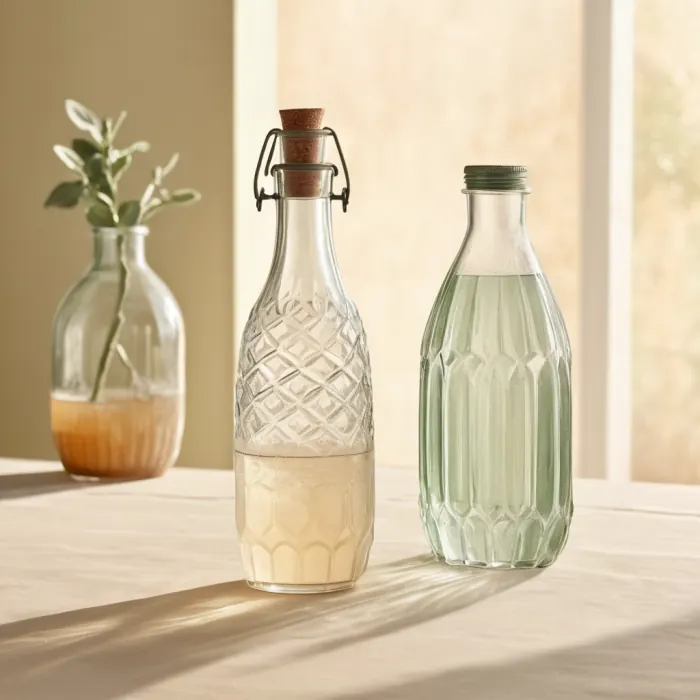
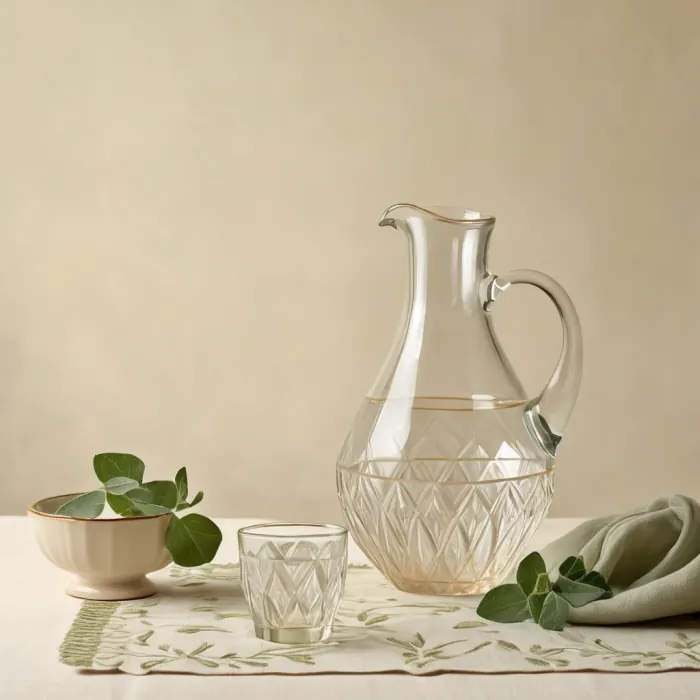
A drink with no loud fame and no pretty advertising, which all the same sat on every table and in every canteen. Compote never asked permission; it was simply always there, warm or cool, in a faceted glass, dependable as the lunch break itself.
The Drink That Was Always There
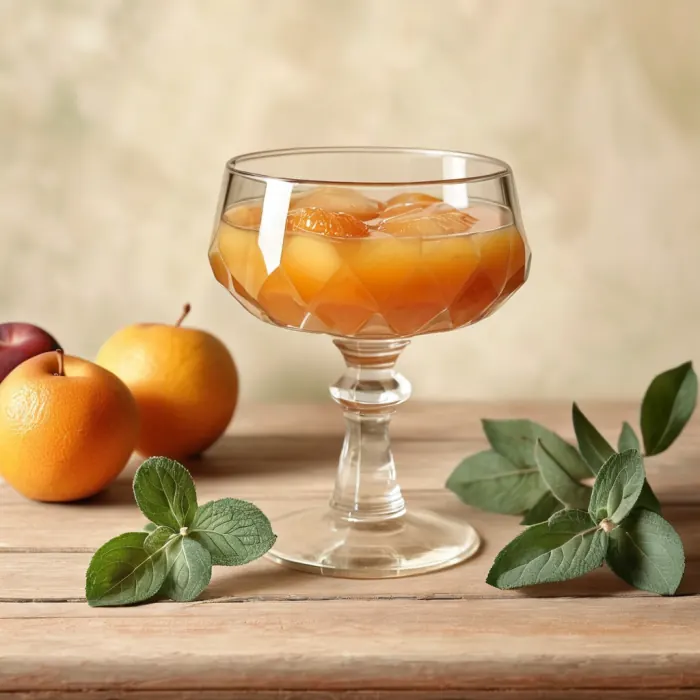
Some things you notice only when they're suddenly gone. Compote is exactly that kind of thing. Nobody came to the canteen specifically for it, nobody daydreamed about it on the way over, but if the familiar faceted glass of cloudy pinkish-amber liquid had suddenly not been at the serving counter, lunch would have felt incomplete, as though something important had been forgotten. Compote was the backdrop against which everything else happened, and so it carried more than it seemed to.
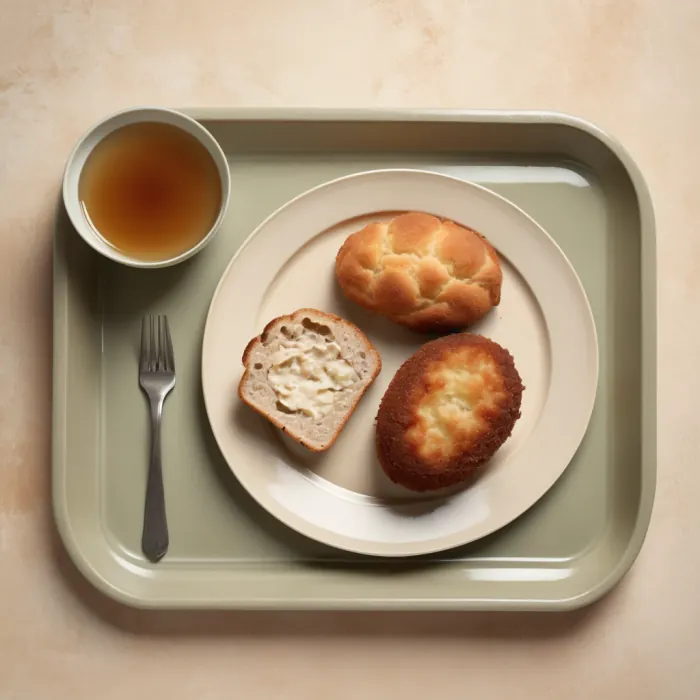
You didn't have to choose it. In a world where every dish had its turn and its queue, compote stood at the end of the tray like something simply taken for granted. A first course, a second course, and compote; the trio sounded so seamless that without the third word the phrase seemed to stumble. It rounded off the meal with a soft sweet full stop and told a tired person: that's it, we're done eating for today, you can breathe out.
The Mystery at the Bottom of the Glass
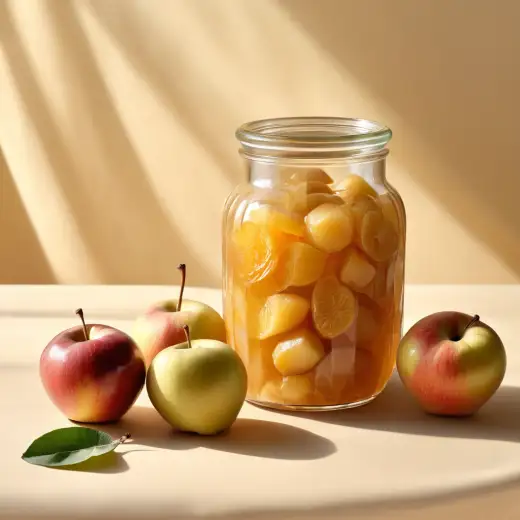
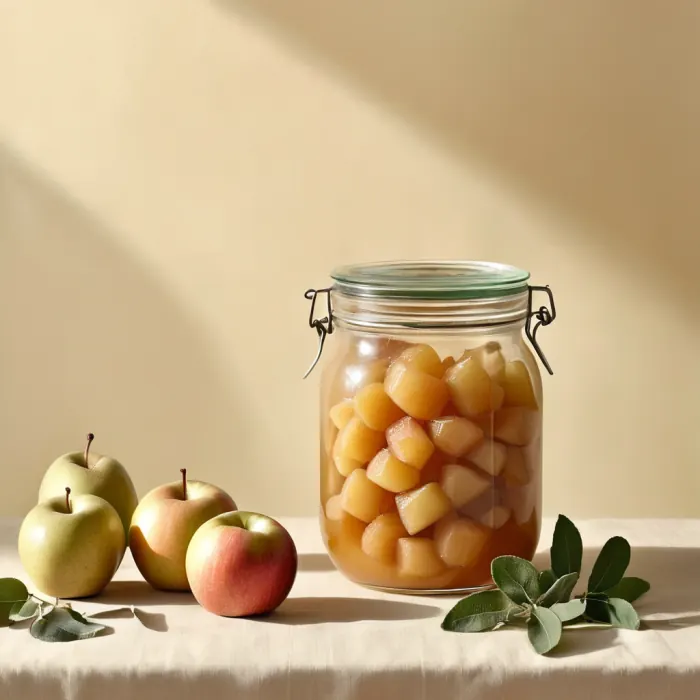
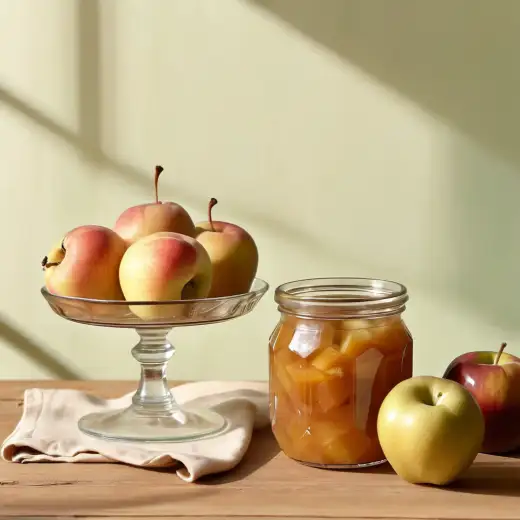
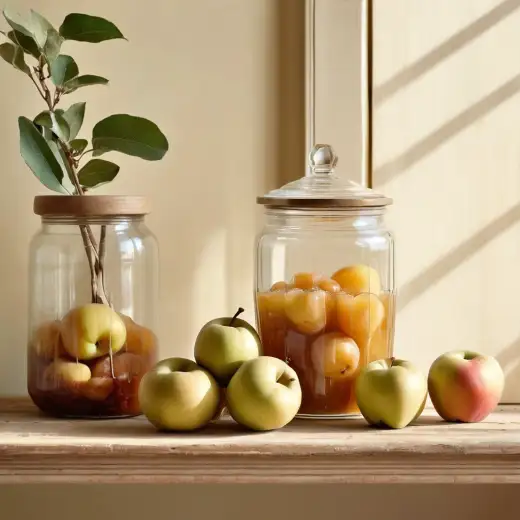
Compote's chief joy hid at the bottom. The drink itself was pleasant but quiet; the stewed dried fruit settled below, though, was already an adventure. A softened pear, a tender ring of apple, a dark sweet plum, a plump raisin, you still had to manage to fish it all out. Some people deftly dredged up the catch with a spoon, some waited until the very last gulp, some bashfully tipped the glass back and took it all at once.
Because of that dried fruit, there was always a bit of bustle around the compote. Children bargained one another out of their pears, grown-ups handed theirs over with mock sternness and then secretly regretted it. Little negotiations and tiny acts of generosity played out at the bottom of the glass. And that was compote all over: seemingly a trifle, yet so much warmth and so many quiet human deals around it.
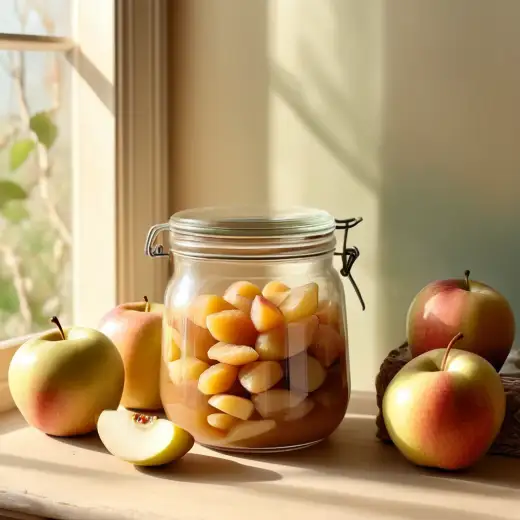
The Faceted Glass as Co-Author
Compote is hard to picture apart from the faceted glass. That glass was a household hero in its own right: a touch heavy, honest, with those recognizable facets that sat so neatly in your palm. It didn't pretend to be crystal; it simply did the job. In it, compote looked precisely like compote, unpretentious and homey, with a faint mist on the walls if the drink hadn't cooled yet.
Those glasses lived long and weathered much. They were stacked in pyramids at the counter, wiped down with a towel until they squeaked, set on the metal tray a hundred times with that characteristic clink. The ring of that clink and the rustle of the tray along its rails were a music all the canteen's own, and compote played its modest but recognizable note within it. The glass and the drink stuck together like old colleagues.
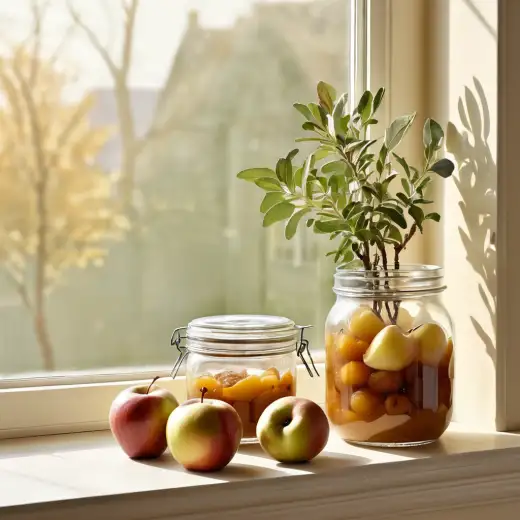
Warm or Cool, Both Are Right
Compote never insisted on a temperature. In winter you drank it warm, almost hot, and it heated you no worse than tea, spreading gently through you after the frosty street. In summer the very same compote was served cool, and it became an altogether different drink, refreshing, slightly tart, a rescue from the stuffiness. One and the same sweet-sour taste knew how to be both comfort and coolness, depending on the weather.
All its essence was in that easygoing nature. Compote never sulked and never demanded special conditions. It adapted to the day, the season, the mood, and stayed itself at any temperature. Maybe that's why people grew so attached to it: it was one of those rare companions who are good in the cold and in the heat alike, and never let you down.
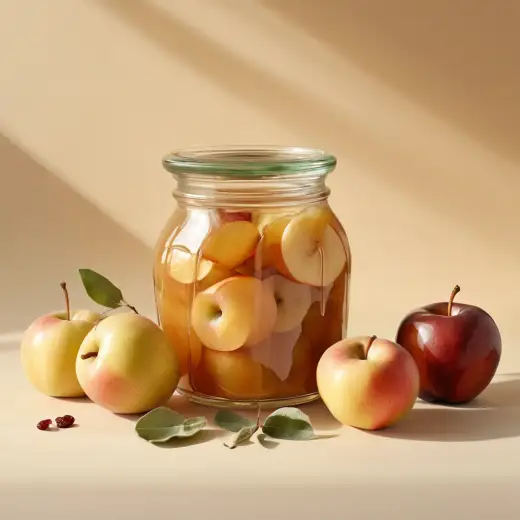
The Smell of the Kitchen and the Ring of the Big Pot
At home, compote was made in the biggest pot there was. First you'd sort through the dried fruit, fussily tossing out any stray bit of debris, then cover it with water, and soon that very smell drifted through the whole apartment, faintly smoky, fruity, full of promise. That aroma meant the home was alive, that someone was taking care, that good things were coming soon. You'd recognize it from the doorway, out in the hall.
Finished compote was poured into jars and three-liter bottles, cooled on the windowsill, hidden away in the cool. It stood there as a reserve of calm you could come to at any moment: pour yourself half a glass, look out the window, hurry nowhere. A big pot of compote on the stove was a quiet sign that all was well in the house and there was nothing to rush about today.
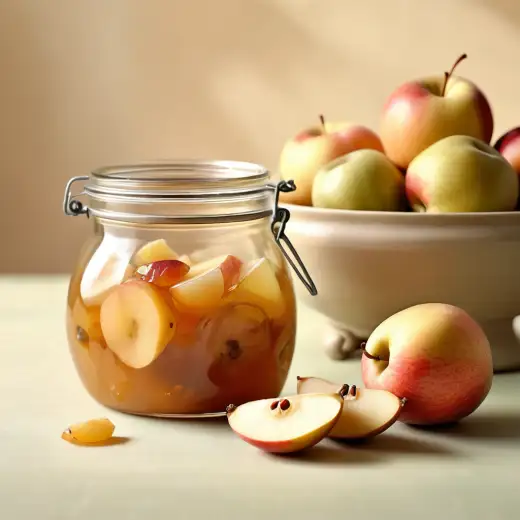
Democratic Beyond Belief
Compote was a surprisingly equal drink. It was served at a modest lunch and at a festive table, on the road and on holiday alike. It didn't sort people into those who were entitled and those who weren't. Drink a lot if you like, drink a little if you like, fish out all the pears if you like; nobody would say a word. There wasn't a drop of stuffiness in it, and that made it easy company.
That plainness made compote truly everyone's. No one composed odes to it, but everyone remembers it, and you only have to say the word aloud and most people feel a warmth inside and a picture floats up: a long table, a faceted glass, dried fruit settled at the bottom, and the unhurried hum of conversation. Compote is the taste of the shared table, the one where there was always room for everybody.
A Sip of Calm
If you go looking in compote for a meaning larger than lunch, it turns out it was a teacher of unhurriedness. You couldn't gulp it down in a rush: hot, you'd scald yourself; the sweet bottom, you'd miss it. Compote seemed to ask of its own accord: sit a while longer, don't jump up, finish your meal calmly. And even the busiest person did, in fact, slow down for those few sips.
In our quiet game about a factory, where hurrying only gets in the way, Cheremsha's factory canteen always has compote, warm or cool, in the unchanging faceted glass. And that's no random detail. The compote there is a little island of peace amid the work, a reminder that even on the busiest day you have the right to sit down, breathe out, and unhurriedly drink to the very sweet bottom. Sometimes it's out of sips just like these that the art of not rushing is made.